

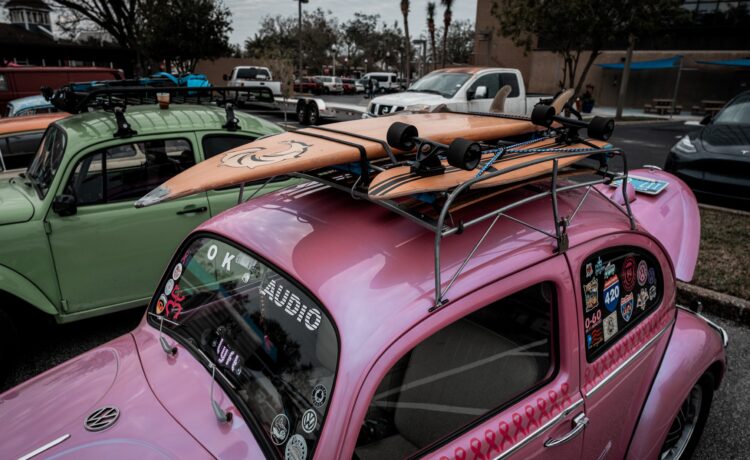
When it’s time for an adventure, packing your gear can feel like a puzzle. You want to bring everything you need without cramming it all into the back of your vehicle. Enter the roof rack system—a game changer for outdoor enthusiasts and road trip warriors alike. These sturdy additions not only help you carry more gear but also keep your interior clutter-free. Whether you’re hitting the slopes or heading out on a camping trip, having a purpose-built roof rack system opens up endless possibilities for exploration and fun. Let’s dive into why investing in one could be the best decision you make this season!
Benefits of a Purpose-Built Roof Rack System
A purpose-built hilux roof rack sale system transforms your vehicle into a versatile adventure machine. It allows you to carry more gear, making those spontaneous trips a reality.
These systems are designed specifically for your vehicle’s make and model. This means they fit securely and can handle varying loads without compromising safety or performance.
Another advantage is the ease of access. With everything up top, your trunk space remains free for other essentials. No more juggling bags or squishing in camping supplies alongside family members.
Durability is key; these racks are built to withstand harsh weather conditions and rough terrains. You gain peace of mind knowing your equipment stays secure, no matter where the road leads.
Moreover, many purpose-built options come with customizable features. You can choose accessories tailored to biking, kayaking, or any outdoor pursuit that fuels your passion.
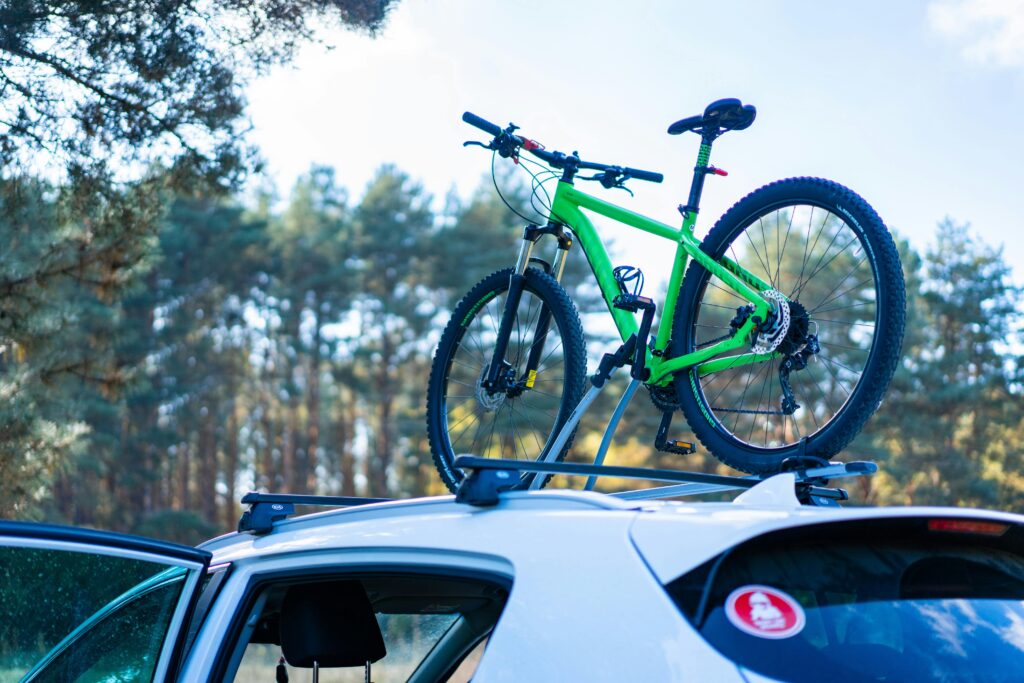
Types of Roof Racks (Crossbars, Cargo Baskets, Cargo Boxes)
Roof racks come in various styles, each serving specific needs. Crossbars are the most basic option. They consist of two bars that run across your vehicle’s roof, providing a sturdy foundation for other accessories.
Cargo baskets offer more versatility. These open frames allow you to secure larger items easily while ensuring airflow around your gear. They’re great for camping trips or hauling sports equipment.
If you’re looking for protection from the elements, cargo boxes might be the way to go. These enclosed units keep your belongings safe and dry during travel. With locking mechanisms, they also add a layer of security against theft.
Choosing between these options depends on what you plan to carry and how often you’ll use them. Each type has its unique advantages tailored to different lifestyles and adventures.
Factors to Consider Before Purchasing a Roof Rack System
When considering a roof rack system, first evaluate your vehicle’s compatibility. Not all racks fit every car model, so check the specifications for your make and year.
Next, think about what you plan to carry. Different activities call for different types of storage solutions—be it bikes, kayaks, or luggage.
Weight capacity is another crucial factor. Ensure that the rack can handle both your gear and any additional load without compromising safety.
Also consider installation ease. Some systems require tools and extra hands while others offer a straightforward setup process.
Budget plays an important role but don’t sacrifice quality for cost alone. Investing in a reliable roof rack will pay off in durability and performance over time.
Installation Process and Tools Needed
When it comes to installing a roof rack system, preparation is key. Most systems come with detailed instructions specific to the model of your vehicle. Before you begin, gather all necessary tools to streamline the process. Commonly needed items include a wrench set, screwdrivers, and possibly an Allen wrench for those tricky bolts.
Start by checking what type of roof your vehicle has—be it raised rails, flush rails, or a bare roof—as this will dictate the mounting method and required accessories. You may need additional hardware if you’re working with a bare roof or specialized tracks.
Once everything is ready, follow these steps: first align the racks according to your marked positions on the vehicle’s rooftop; second secure them tightly using screws or clamps; third double-check that they are stable before loading any gear. Some models may even have easy-to-use clamps that require minimal effort.
After installation is complete, it’s wise to test drive without any load at first to ensure everything feels secure and doesn’t create excess noise. Remember that regular maintenance checks are essential after initial setup; periodically inspect tightness and integrity as you transport various loads over time.
With patience and care during installation—and proper tools—you’ll be well-equipped for adventures ahead thanks to your new purpose-built roof rack system!