

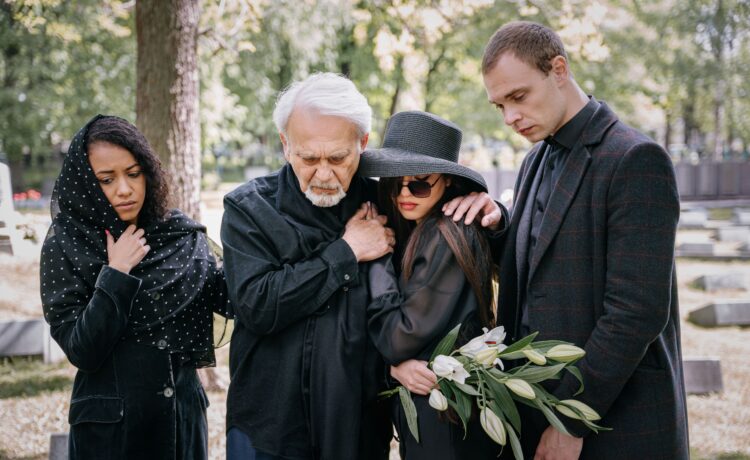
Losing a loved one is one of life’s most challenging experiences. The waves of grief can be overwhelming, leaving families feeling lost and unsure of how to move forward. In such difficult times, the role of funeral directors becomes crucial. These compassionate professionals guide families through the intricate maze of funeral planning while providing much-needed emotional support. Their expertise not only helps honor the deceased but also aids in the healing journey for those left behind. Understanding their impact reveals just how essential experienced funeral directors are during these profound moments of sorrow and reflection.
The role of funeral directors in guiding families through the funeral planning process
Funeral directors serve as essential guides during the complex Funeral services
planning process. Their expertise helps families navigate through a landscape of choices and decisions that can feel overwhelming.
From selecting caskets to arranging transportation, these professionals ensure that every detail is handled with care. They listen attentively to family wishes and preferences, helping them create a service that reflects their loved one’s life.
With sensitive communication skills, funeral directors clarify options in an approachable manner. This support allows families to focus on what truly matters—honoring their loved one while feeling reassured by expert assistance.
Moreover, they often provide valuable resources for rituals and traditions relevant to different cultures or religions. This knowledge enriches the planning experience, ensuring it resonates deeply with those grieving.

Providing emotional support and comfort for grieving families
Grieving families often face an overwhelming tidal wave of emotions. In these moments, experienced funeral directors step in as compassionate guides. They understand the weight of loss and the myriad feelings that accompany it.
Listening is a crucial part of their role. A simple act like providing a safe space for loved ones to share memories can be profoundly healing. Funeral directors create an environment where families can express their sorrow without judgment.
Additionally, they offer resources such as support groups or counseling options. These connections provide ongoing assistance beyond the immediate aftermath of loss.
Beyond logistics, funeral directors foster meaningful conversations about life and legacy. This dialogue encourages families to celebrate the person who has passed in ways that are personal and touching.
Through every interaction, they remind grieving individuals that they are not alone on this painful journey. Their presence serves as a source of comfort amid chaos and uncertainty.
The significance of personalized and meaningful funerals in the healing process
Personalized and meaningful funerals play a crucial role in the healing journey for grieving families. Each life is unique, and these ceremonies reflect that individuality. When families incorporate personal touches—like favorite songs, photographs, or cherished memories—it transforms the service into a heartfelt tribute.
These personalized elements foster connection among attendees. Friends and family share stories, creating an atmosphere of support and understanding. It encourages open dialogue about loss while celebrating the deceased’s life.
Moreover, meaningful funerals allow loved ones to express their grief creatively. This can be through writing eulogies or sharing anecdotes that resonate deeply with everyone present. Such expressions validate feelings of sorrow while also honoring the legacy left behind.
These uniquely crafted farewells not only pay homage but also pave a path toward acceptance and healing for those left behind. They hold space for remembrance amid pain—a vital part of moving forward together.
How funeral directors can help with practical matters such as legal paperwork and arrangements
Navigating the complexities of legal paperwork and arrangements can be overwhelming during an already challenging time. Experienced funeral directors play a vital role in easing this burden for grieving families. They are well-versed in the necessary documentation required after a loss, such as death certificates, burial permits, and insurance claims.
By guiding families through these practical matters, funeral directors ensure that everything is handled efficiently and correctly. They understand local laws and regulations, which can vary widely depending on location. This knowledge helps families avoid unnecessary delays or complications.
Beyond just paperwork, funeral directors can assist with various logistical arrangements related to the service itself—reserving venues, coordinating transportation for guests, or even liaising with clergy members if desired. Their expertise means that families have one less thing to worry about while they focus on honoring their loved ones.
Having a compassionate professional by your side during this difficult time can provide immense relief. Funeral directors not only help manage the details but also offer support so that grieving families feel respected and cared for throughout the process.