
Construction is one of the most fraught industries in Australia, and a major reason for that is the worryingly high number of workplace fatalities and serious injuries it racks up. According to Safe Work Australia, the construction sector is responsible for a thumping 3035% of work-related fatalities in recent years, despite accounting for just 9% of the workforce. That’s a pretty scary risk profile if you ask me. In the current climate, temporary barrier systems are no longer just a site decoration but a vital lifeline that helps mitigate liability exposure and ensures compliance with regulations.
Regulatory Compliance and the Duty of Care
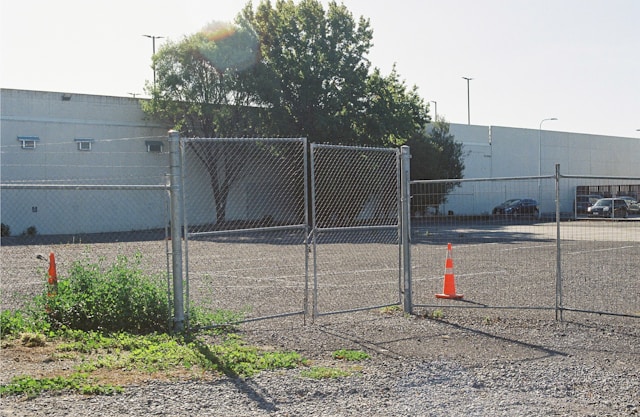
The Work Health and Safety (WHS) framework is what governs construction sites in Australia and it’s a pretty strict set of rules. Under WHS, anyone running a construction site or business (PCBUs) has a duty to do what they can to get rid of or minimise risks. As long as it’s reasonably practicable to do so. In 2223, Safe Work Australia recorded a total of 195 work-related traumatic injury fatalities across the country, with construction regularly in the top three of the most at-risk sectors. You can bet that regulators are on the lookout for businesses that fail to isolate hazards, with potential fines reaching up to AUD 3 million for corporations under Category 1 offences. Guess what gets looked at closely during audits? It’s whether a site has deployed a barrier fence to isolate the hazards. Especially in excavation zones and areas of live traffic interfaces which account for a big chunk of enforcement actions under WHS law.
Accident Prevention Through Keeping People Away from Hazards
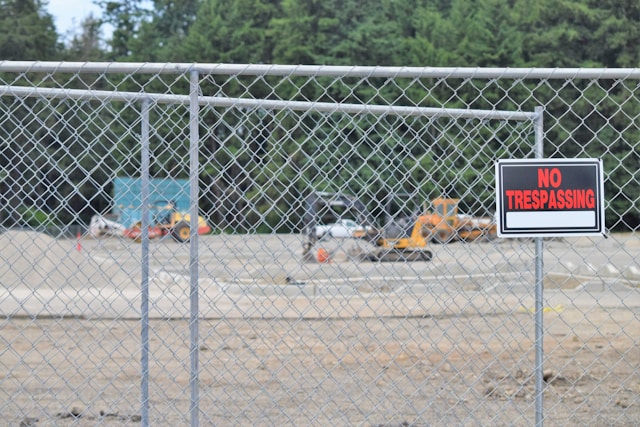
Annual injury data from Aussie state regulators shows that falls, vehicle accidents, and people getting caught up in moving plant equipment make up over 60% of serious construction injuries. Temporary fencing helps reduce the risk of accidents by keeping people away from those hazards. It’s a more reliable method than relying on admin controls alone. Just look at the number of times public entry into unsecured sites has gotten people into trouble, with Queensland WorkSafe slapping multiple sites down for not doing a good enough job on perimeter control each year. Research in construction safety engineering has shown that physical barriers like fencing can cut unauthorised entry incidents by up to 70% in comparison to relying on just signs. This cuts down on the chance of totally preventable third-party injury claims to a huge extent.
Legal Liability Exposure & Cutting Your Risk of Being Sued
In Australian law, the courts have consistently seen liability for construction-related injury cases come down to one question. Did the site do what it should to prevent injury from occurring? If a site can’t even control where people can and can’t go, they’re pretty much asking for a negligence lawsuit. The payouts for serious construction injuries can be pretty eye-watering. You’re talking AUD 200,000 AUD to 1 million depending on the severity and long-term impact of the injury. The good news is that sites that use temporary fencing can point to that as clear evidence of their efforts to keep hazards out of reach. It’s a powerful tool that shows courts you took the time to do the right thing and prevent access to areas that were hazardous. If you’re building in the city, well, that’s all the more reason to have fencing in place to stop people from wandering into harm’s way.
Insurance Implications & Risk-Based Premium Assessment
Australian construction insurance premiums are being heavily influenced by their past claim history and the steps taken to control risk on-site. According to the underwriting reports coming out of the industry, construction liability insurance premiums can jump by as much as 40% depending on how well the site is secured and what kinds of incidents have happened there. Insurers are really starting to insist on proper written records of the security measures put in place around the site perimeter before they will even consider issuing public liability insurance for anything above AUD 10 million.
Urban Construction Interface & Public Safety Exposure
In our big cities, it’s not uncommon to see construction sites right up against footpaths and major transport routes, not to mention shopping strips. Data from our local councils shows that as much as 15 to 20 per cent of all construction-related incidents are actually public interface risks, not just injuries that happen to workers on site. This makes insurance companies much more likely to get involved, under the occupiers’ liability laws.
Cost-Benefit Analysis of Preventive Risk Controls
When it comes to construction safety in Australia, the cost-benefit analysis suggests that every single dollar you put into preventative safety measures can end up saving you between AUD 2 to AUD 4. This is what industry benchmarking studies are telling us.