

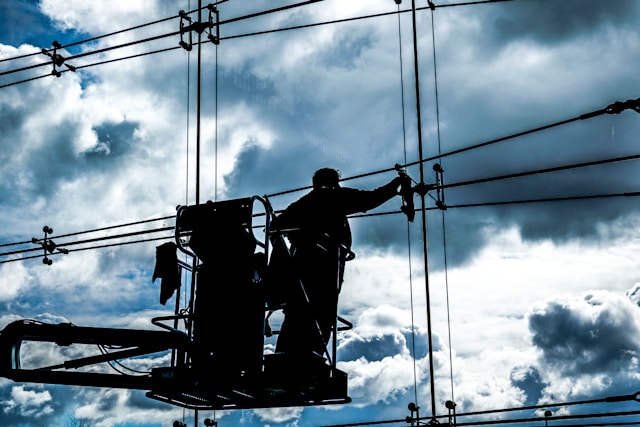
The death and/or injury that occurs at height throughout the Australian industry is a constant feature and is especially common in work for construction, mining, utilities, warehousing and maintenance where, if something goes wrong with a procedure, the consequence can be immediate and often devastating. Safe Work Australia reports that in Australia 29 people died from falls from height in 2023, representing a 32% rise on the previous 5-year figure and suggesting that current measures are not closing the gap, leading to falls being Australia’s 2nd-largest cause of fatal injury. If something’s going on, it’s not working!
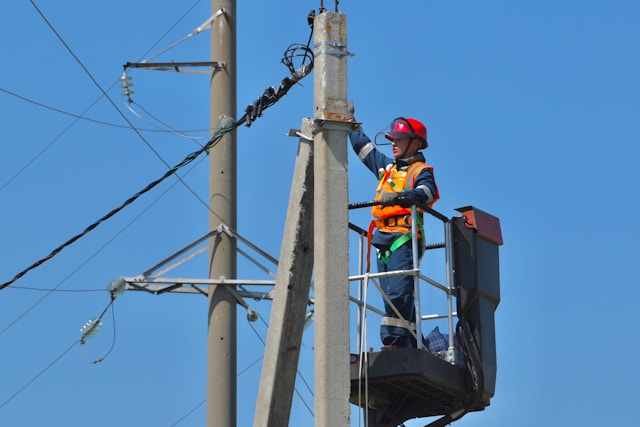
Skills Go Down — In Height Safety, Dangerous Skills Go Down
Human performance naturally diminishes when critical skills do not occur on a regular basis or are not reinforced. Height safety tasks are specific and practical sets of skills and abilities that extend beyond theory and are accurate and procedural, including tasks related to hazard, anchor point, equipment check, fall prevention procedures, and rescue awareness. Employees trained a number of years ago might retain the big picture in their heads, but not a lot of the “how” and “when”. While employees might know the game in their minds years ago, they don’t remember the procedural detail that safe play requires. Incidents happen when there’s a disconnect between what one’s thinking and what they’re really doing reliably in a stressful situation.
In some industries, the work at a height is only occasionally performed and not performed on a daily basis, and thus a worker occasionally using fall-arrest systems may not be able to recall inspection requirements or emergency response steps as accurately as after initial training; a fall arrest refresher on a work safely at heights course is thus “needed” and not merely an “administrative convenience”. Re-exposing to practical skill in a controlled situation fixes the unintended procedural drift before it results in a problem and thus is not pure, basic knowledge – it is just “maintaining accuracy under challenge”.
The Weight Of The Deaths Makes The Issue All Too Real
In Australia, around one in six workers every year falls down from a height, with an estimated 45% of the deaths from falls occurring in the construction industry where the risk of an elevated working position is the highest. The number in 2024 was slightly lower at 25, but remained above the 5-year average. Multiple years of regulatory attempts have yielded little result after all, suggesting that as much as the problem is the failure to put adequate rules and equipment in place, it is a failure in compliance practices and procedures, hazard awareness, as well as behaviour, the very elements refresher training is supposed to resolve.
That distinction matters in terms of the responsibilities that organisations feel. Initial training plus regulatory compliance might be a defensible position if the fatality trend were improving steadily, but it is not. Workers are dying from falls in industries where height safety training is a legal requirement, so the gap is not at the point of initial certification; it is in what happens to competency between that certification and the next time the worker is exposed to height risk.
Regulatory Requirements Are Not Static — And Neither Is Compliance
Under Australian Work Health and Safety legislation, Persons Conducting a Business or Undertaking must eliminate or minimise the risk from working at height so far as is reasonably practicable. That duty does not cease at the point of initial training, but is ongoing. Over the last decade, equipment standards, rescue planning requirements, and risk assessment methodologies have evolved significantly. If the gap between what the regulation currently requires and what workers are actually doing in practice is not regularly refreshed, it can increase without anyone being the wiser until it is exposed by an incident.
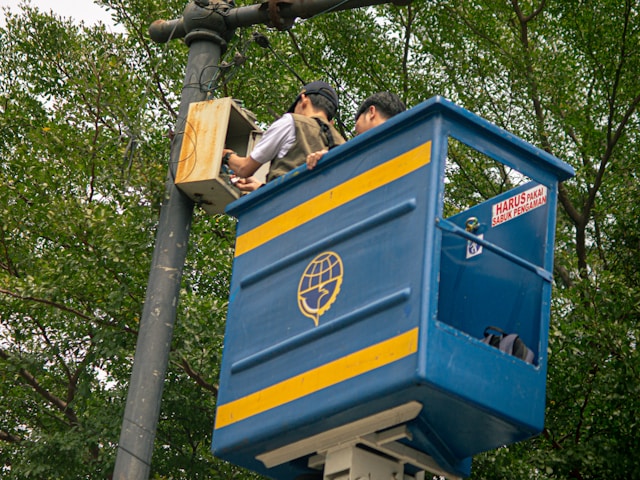
Emergency Preparedness Is The Part Of Refresher Training Most Often Skipped
Even with fall prevention systems in place, risk cannot be eliminated, and the survivability of the rescue response is critical: Delayed rescue leads to suspension trauma, worsened injuries, and a greater likelihood of death, all conditions that occur rapidly and are difficult to reverse once established. Emergency response skills are among the first to deteriorate as they are the least often practised: A worker who goes through an initial qualification and never rehearses a rescue scenario over the years that follow is not equipped to perform one efficiently when needed.
The kind of muscle memory gained from refresher programs that include practical emergency response exercises rescue equipment operation, communication procedures, and site-specific contingency planning is quite different from that gained from theoretical familiarity. Workers who have rehearsed a rescue scenario within the last year respond to an actual emergency differently from those who have merely read about it. Organisations that invest in this part of refresher training are not merely keeping compliance records; they are actually improving the chances that a fall, when it happens, does not become a fatality, which is the end that all the training, regulation, and equipment in the industry is designed to prevent.