
While private residential gardens do more ecological work than they used to, they are only important for local biodiversity when garden features are selected with that in mind, garden ornaments are becoming functional habitat elements, and the research about which ones actually deliver wildlife outcomes is specific enough to be useful.
Bird Baths Outperform Almost Every Other Ornamental Feature
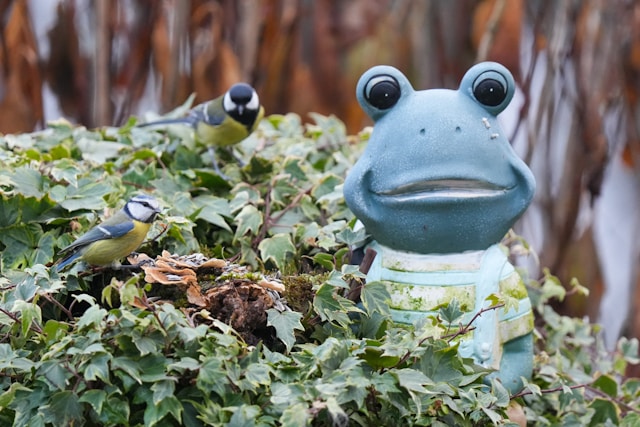
Evidence for bird baths is particularly robust: a large Australian citizen-science study, with 15,795 wildlife surveys in 243 households, found that bird baths were the most commonly used wildlife-supporting structure in residential gardens, were visited by birds during 53% of all recorded surveys, and were used by 57 species (including threatened native birds), whereas most shelter-based structures recorded usage rates of below 20%. The performance difference between a bird bath and most other ornamental features is not slight.
The ecological value is not simply a function of the usage rate; in times of drought and extreme heat, which are increasingly prevalent in Australia, the availability of clean water may determine whether local wildlife survives at all, as opposed to whether they visit. A study that included 992 citizen scientists across south-eastern Australia found that a range of native species, both urban and rural, are attracted to bird baths, and that for the homeowner deciding between garden ornaments Melbourne retailers stock, a well-placed bird bath with fresh water regularly replenished provides more evidence-based wildlife benefits than most decorative installations at any price.
Insect Hotels Are More Complicated Than They Appear
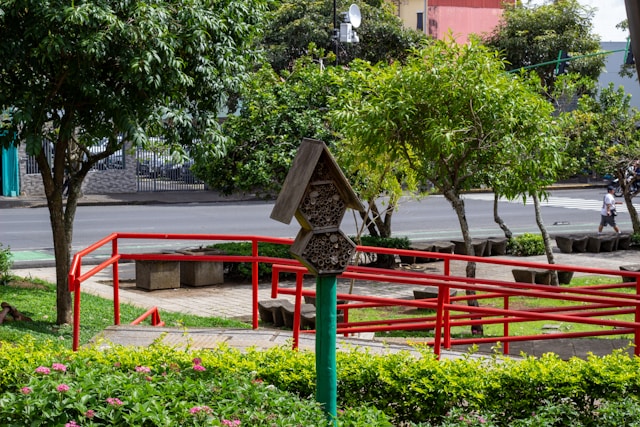
One of the most common wildlife-friendly additions to Australian gardens is insect hotels, designed to provide nesting cavities for the majority of Australia’s 1,653 described species of solitary native bees (with hundreds more yet to be described); most native bees are solitary and require small cavities in wood, stems or soil for reproduction, so artificially provided cavities in urban areas where natural hollows have been cleared do fill a genuine ecological gap. The idea is good; it is the implementation that is flawed.
Many scientific assessments warn that insect hotels that are poorly designed can focus parasites, pathogens, and predators rather than providing healthy insect populations, and that large, densely packed installations that are never maintained can become ecological traps that attract insects into conditions that harm rather than aid them. Smaller, distributed nesting structures often work better than the large, decorative versions, and this does not make insect hotels a bad idea, but it makes them a habitat management decision, not an ornamental one, and that distinction is important to how they are selected, positioned, and cared for over time.
Sculpture Can Support Wildlife — But Only If It Is Designed To
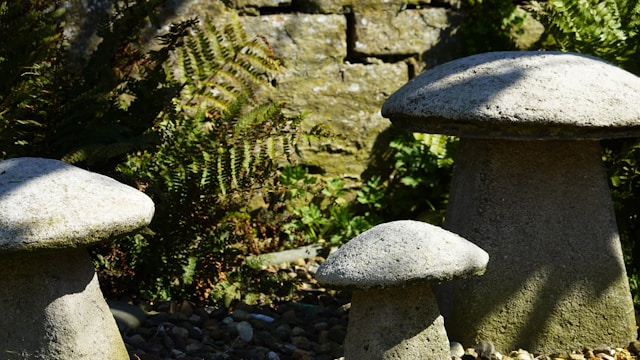
Traditional garden sculptures add nothing to local biodiversity; smooth decorative statues offer no shelter, no place to nest, and no surface for reptiles, insects, or small birds to use; wildlife-friendly sculptures are designed with textured stone surfaces, crevices, hollow chambers, and integrated nesting cavities that offer habitat value while maintaining artistic appeal. Research in Australia has shown that artificial refuges are an important feature of urban environments where natural habitat structures have been lost, and has recorded the use of artificial shelters by reptiles, frogs, mammals, and birds.
Pollinator Features Work Best As Part Of A Planted Garden, Not Instead Of One
One of the most rapidly expanding areas of wildlife-friendly garden design is pollinator-focused ornaments such as bee baths, nectar stations, flowering towers, and decorative planters for pollinating insects; these are important given well-documented declines in pollinators in association with habitat loss and urban development. A study in Australia’s southwest biodiversity hotspot documented 153 native bee species, and found that both abundance and species richness of native bees increased with higher numbers of native plant species, an indication of the clear support for native flowering plants over modified ornamental landscapes in sustaining pollinator diversity.
The highest ecological value of pollinator-focused ornaments is in the context of native vegetation, not as standalone features; a decorative bee bath surrounded by exotic ornamental plants will attract fewer pollinators than the same bath placed in a garden with native flowering species that offer pollen and nectar through the seasons. This does not render pollinator ornaments useless; it merely clarifies what they are and are not: they are accessory elements within a habitat design, not a replacement for the plants pollinators rely on.