

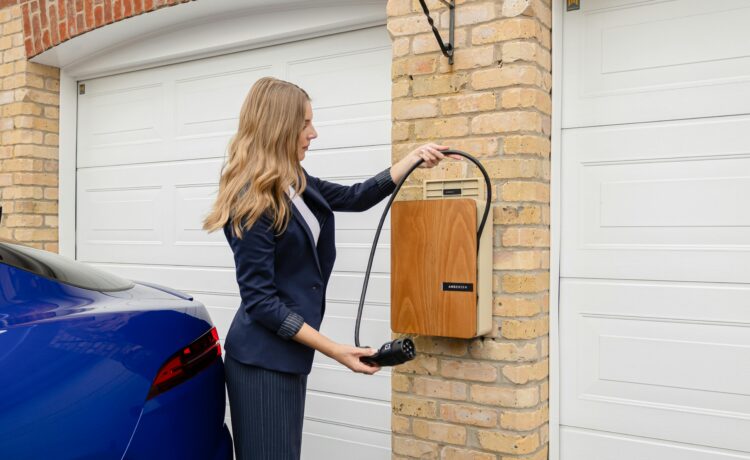
Electric vehicles (EVs) are no longer a futuristic dream—they’ve arrived and are transforming the way we think about transportation. As more homeowners make the switch to EVs, the convenience of having a charging unit at home is becoming increasingly appealing. Imagine waking up every morning to a fully charged vehicle, ready for whatever your day holds.
But before you rush out to install an EV charging unit in your garage or driveway, there are several key factors to consider. From understanding different types of chargers to evaluating installation costs, being informed can help you make the best choice for your lifestyle and home. Let’s dive into what every homeowner should know before taking this electrifying step!
Benefits of Installing an EV Charging Unit at Home
Installing an EV charging unit at home offers a range of benefits that can significantly enhance your lifestyle. First and foremost, convenience plays a vital role. You can charge your vehicle overnight while you sleep, ensuring it’s ready to go each morning without the hassle of public charging stations.
ev charger installation cost guide for sydney homes cost saves are another compelling reason. Homeowners often find lower electricity rates compared to commercial chargers. Over time, this can lead to substantial savings on fuel costs.
Additionally, having an EV charger increases the value of your property. As electric vehicles gain popularity, potential buyers appreciate homes equipped with charging capabilities.
Environmental impact is also noteworthy. By powering up from renewable energy sources like solar panels, you contribute positively to reducing carbon emissions and promoting sustainability in your community. It’s a step toward greener living right from the comfort of your home.
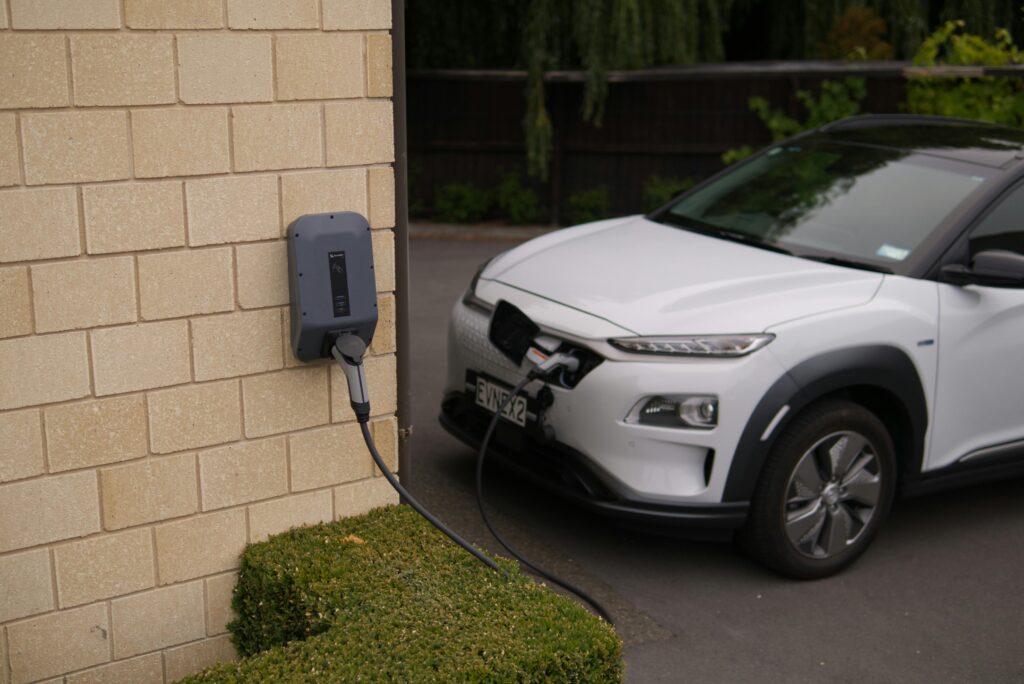
Factors to Consider Before Installing an EV Charging Unit
Before installing an EV charging unit, assessing your property’s electrical capacity is crucial. Your home must have enough amperage to support the new charger without overloading the system.
Next, consider your daily driving habits. If you drive long distances regularly, a Level 2 charger might be necessary for faster charging times. For occasional short trips, a basic Level 1 setup may suffice.
Another important factor is location. Choose a spot that’s easily accessible yet discreet enough not to disrupt your home’s aesthetic appeal.
Local regulations and permits can influence installation as well. Research any building codes or zoning laws specific to EV chargers in your area.
Think about future needs as electric vehicles evolve rapidly. Opting for a versatile charging unit now could save you time and money later on when upgrading becomes essential.
Types of EV Charging Units and Their Features
When considering an EV charging unit, it’s essential to understand the different types available.
Level 1 chargers are the most basic option. They use a standard household outlet and provide about four to five miles of range per hour of charging. This is perfect for overnight charging but may not be suitable for daily commuters with longer drives.
Next up is Level 2 chargers, which require a dedicated circuit. These units can deliver up to 25 miles of range per hour. Many homeowners prefer this type because it significantly reduces charging time and offers more flexibility.
For those who need rapid charging, DC fast chargers come into play. While typically found in public locations, some homeowners choose these for ultra-fast recharging times—adding hundreds of miles in just minutes.
Each charger has distinct features like smart capabilities or mobile app integration that enhance user experience and convenience.
Cost and Installation Process
When it comes to the cost of installing an EV charging unit, several factors come into play. The price of the unit itself varies significantly based on its type and features. Level 1 chargers are generally more affordable but offer slower charging speeds. On the other hand, Level 2 chargers provide faster charging times but come with a higher upfront cost.
Installation expenses also depend on your home’s electrical system. If your system is already equipped to handle the additional load, installation will be smoother and less costly. However, if upgrades are necessary—such as a new circuit breaker or increased amperage—the costs can rise quickly.
It’s advisable to hire a licensed electrician for installation. They ensure that everything complies with local codes and safety regulations. While this might add to your overall expense, it guarantees that you won’t face issues later.
Don’t forget about potential rebates or incentives offered by state or utility programs aimed at promoting electric vehicle use! These can help offset some of your initial investment.
Understanding these financial aspects will help you make informed choices about installing an EV charging unit in your home. With proper planning and consideration of all variables involved, you’ll be well-prepared to enjoy the many benefits that come with owning an electric vehicle.