
Your roof is your home’s first line of defense against the elements. It shields you from rain, snow, heat, and everything in between. But what happens when that protective barrier starts to fail? Roof damage can sneak up on you like a thief in the night, often going unnoticed until it becomes a major problem. Ignoring early warning signs can lead to costly repairs or even complete replacement down the line. Understanding these red flags is crucial for every homeowner. Let’s explore some common indicators of roof damage that should never be overlooked!
The Importance of Regular Roof Inspections
how to identify and fix a leaky tile roof before it causes serious damage? Regular roof inspections are vital for maintaining the integrity of your home. They help catch issues before they escalate into costly repairs.
With exposure to harsh weather and environmental factors, roofs endure wear and tear over time. A small leak can turn into a major problem if left unchecked. Inspections allow homeowners to identify these vulnerabilities early.
Additionally, many insurance companies require proof of regular maintenance for coverage claims. Skipping routine checks could jeopardize your financial protection in case of severe damage.
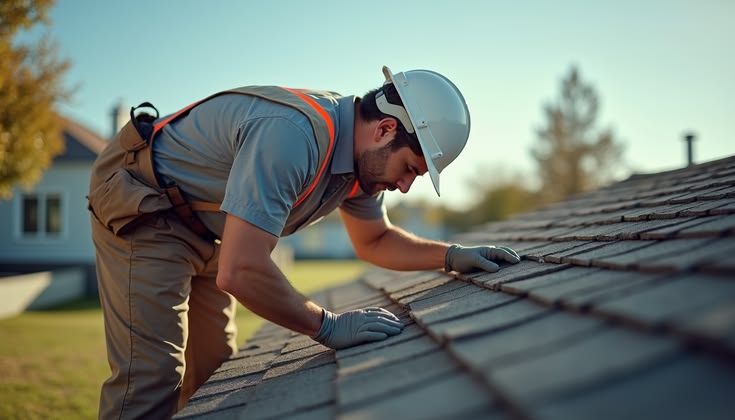
Scheduling an inspection at least once a year is recommended, preferably in spring or fall when conditions are ideal. Experienced professionals know what signs to look for that may go unnoticed by an untrained eye.
Taking proactive steps ensures you protect both your property and investment long-term. Regular inspections pave the way for peace of mind regarding one of the most critical aspects of homeownership: your roof’s health.
Signs of Water Damage on Your Roof
Water damage can be a silent destroyer of your roof. Look for dark spots on the ceiling, which may indicate leaks or moisture accumulation.
If you notice peeling paint or wallpaper inside your home, it could signal water seeping through the roof. Stains can spread quickly and lead to more extensive issues if not addressed promptly.
Outside, keep an eye out for discolored shingles. If they appear warped or sagging, that’s a telltale sign of trapped moisture underneath.
Moss growth is another indicator; while it looks quaint, it’s often a symptom of damp conditions that can weaken roofing materials over time.
Inspect gutters frequently too. Clogged gutters filled with debris can cause water to back up and seep into your roof structure, leading to further complications down the line.
Indicators of Structural Damage
Structural damage can be subtle or glaring, but knowing what to look for is essential. One clear indicator is sagging areas on the roof. If you notice dips or uneven spots, it may signal underlying issues.
Another sign to watch for is cracked or warped roofing materials. These abnormalities could indicate that your roof isn’t able to support its weight properly anymore.
Check the interior as well. Stains on ceilings and walls often point to water infiltration from a compromised roof structure.
Don’t forget about gutters; if they’re pulling away from the house, it might mean there’s significant pressure building up due to structural failure.
Pay attention to any unusual sounds during storms too—creaking or popping noises can suggest something isn’t right overhead. Proper investigation of these indicators could save you time and money down the line.
Visible Exterior Signs of Roof Damage
When it comes to spotting roof damage, the exterior can be quite revealing. Look for missing shingles or tiles, as these can expose your roof to further deterioration. Curling or buckling shingles are also red flags signaling that they may not be doing their job effectively anymore.
Pay attention to any granules collecting in your gutters. This is often a sign of shingle wear and tear. If you notice an unusual amount, it might indicate that your shingles are nearing the end of their lifespan.
Another visible indicator is stains on the exterior walls or around vents and chimneys. These could signify water leakage from above, which warrants immediate attention. Check for rusted flashing too; if this vital component shows signs of decay, moisture could easily infiltrate your home’s structure.
Keep an eye on sagging areas in the roofing material itself. A drooping section can suggest serious underlying issues with structural integrity that need urgent evaluation.
Being proactive about identifying these warning signs will save you time and money down the line while ensuring your home remains safe and sound.