
Imagine walking into a space filled with character, rich history, and untapped potential. Old buildings often hold stories within their walls, waiting for a new narrative to unfold. Transforming these neglected areas into modern living spaces can breathe life back into them while preserving their unique charm.
The trend of revitalizing old spaces is more than just an aesthetic choice; it’s about sustainability and creativity. By giving forgotten places a second chance, we not only enhance our surroundings but also contribute to the community’s cultural fabric. Whether it’s an abandoned warehouse or a historic home, every transformation journey starts with inspiration and a vision. Let’s dive deeper into the world of transforming old spaces into vibrant modern living areas!
The benefits of revitalizing old spaces
Revitalizing old spaces breathes new life into communities, and working with a skilled home reno company can make this transformation much more effective. It fosters a sense of pride among residents, creating vibrant neighborhoods filled with character.
These transformations often promote sustainability by reusing existing structures instead of demolishing them. This approach minimizes waste and preserves the environment.
Additionally, repurposed areas can boost local economies. New businesses flock to these revitalized locations, attracting customers who appreciate unique atmospheres over cookie-cutter developments.
Cultural heritage also plays a significant role in this process. Restoring historic buildings maintains the stories they carry while blending modern designs that appeal to today’s lifestyles.
Such projects encourage social interaction. Public spaces invite gatherings and events that strengthen community bonds, making everyone feel more connected to their surroundings.
Factors to consider before starting a transformation project
Before diving into a transformation project, it’s crucial to assess the space’s structural integrity. Check for water damage or foundation issues that could derail your plans.
Budget is another key factor. Estimate costs realistically, including materials and labor. It’s wise to set aside extra funds for unexpected expenses.
Consider local regulations and permits as well. Historic buildings often have strict guidelines that must be followed during renovations.
Think about the intended use of the space too. Will it function as a home, office, or community center? This decision will influence design choices significantly.
Involve professionals early in the process—architects and designers can offer insights that save time and money down the road. Engaging with experts helps you navigate complexities while ensuring your vision remains intact.
Creative ideas for transforming different types of spaces (e.g. abandoned warehouses, historic buildings, etc.)
Abandoned warehouses can be transformed into vibrant community hubs. Think coworking spaces filled with natural light and greenery. Large windows and open layouts invite creativity.
Historic buildings deserve a fresh perspective too. Retaining their original charm while adding modern amenities creates a unique blend of old and new. Imagine chic cafes nestled within classic brick walls, where history meets contemporary flair.
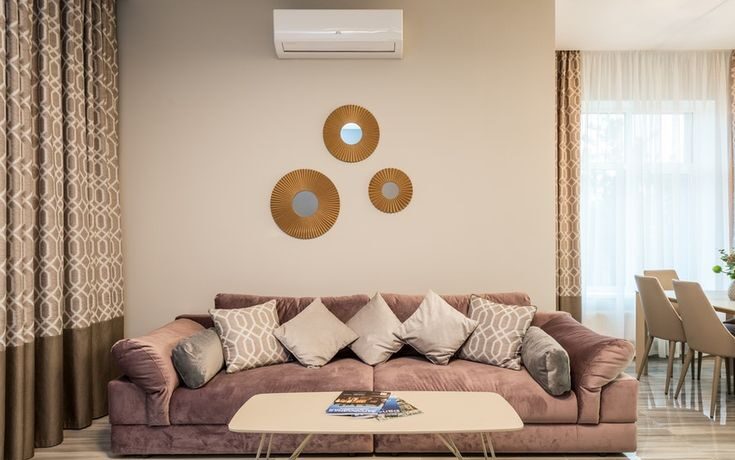
For smaller homes, consider multifunctional furniture to maximize space. Convertible sofas or wall-mounted desks can redefine the living experience without sacrificing style.
Outdoor areas also offer potential for transformation. A neglected backyard can become an urban garden oasis, complete with seating areas for relaxation or social gatherings under twinkling lights.
These creative ideas breathe new life into old spaces, inviting innovation while respecting their pasts. Each project tells a story that combines functionality with aesthetic appeal, making every corner engaging in its own right.
Challenges and potential setbacks in the transformation process
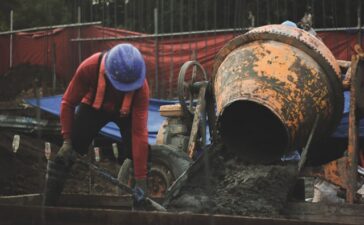
Transforming old spaces can be a rewarding endeavor, but it’s not without its challenges. One of the most common hurdles is dealing with structural issues. Older buildings may have hidden problems like outdated wiring or plumbing that need addressing before any aesthetic changes can begin.
Another obstacle is obtaining necessary permits and adhering to local regulations. Depending on the location and historical significance of a building, these processes can be time-consuming and complicated. It’s essential to do thorough research beforehand to avoid unwanted delays.
Budget constraints are also a significant factor. Renovation costs can quickly escalate beyond initial estimates if unexpected repairs arise or if you decide to upgrade materials mid-project. Being realistic about your budget helps mitigate financial stress later on.
Time management plays a crucial role as well. What seems like an easy transformation could turn into an extensive project that takes longer than anticipated. Setting clear timelines while remaining flexible will help keep things flowing smoothly.
Emotional attachment to older spaces might lead to indecision during the design process. Balancing respect for history with modern functionality requires careful thought and planning.
Embracing these challenges head-on allows for creativity in problem-solving, ultimately leading to stunning transformations that preserve character while introducing contemporary flair.