
Caulking is one of the most underestimated aspects of building maintenance, yet it plays a critical role in protecting structures from water ingress, air infiltration, and the accumulation of dirt and contaminants in gaps and joints. In Melbourne’s variable climate, which cycles through wet winters, hot dry summers, and significant temperature fluctuations, the movement of building materials causes expansion and contraction that gradually degrades caulking over time. Maintaining effective caulking is not merely an aesthetic concern. It is a fundamental part of responsible property management that prevents the kind of water damage that can cost many times more to remediate than the caulking work itself would have cost if it had been attended to promptly.
What Is Caulking and Why Is It Important?
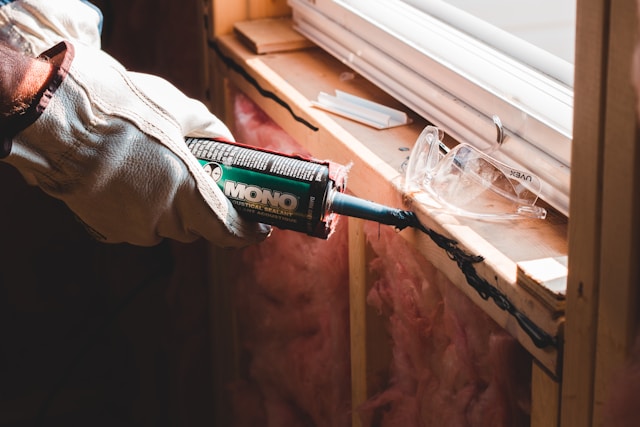
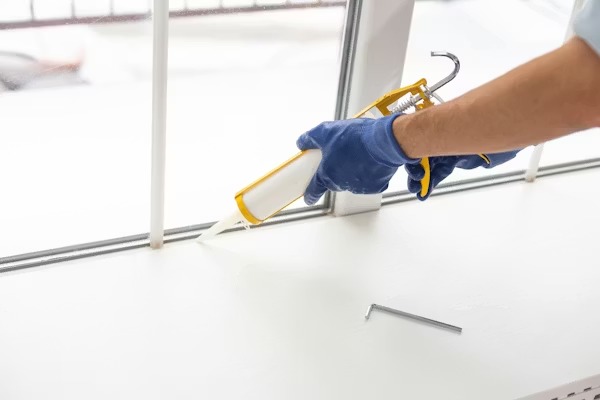
Caulking services Melbourne address the sealing of joints, gaps, and penetrations in buildings with flexible sealant compounds that accommodate movement while maintaining a waterproof and airtight seal. Common applications include sealing around window and door frames, expansion joints in external cladding and masonry, penetrations for pipes and services, perimeter joints between wall and floor surfaces, and gaps in façade systems that are exposed to weather. The range of sealant products used in professional caulking work is extensive, and selecting the correct product for each application is critical to achieving a durable result. Silicone, polyurethane, and acrylic sealants each have different performance characteristics in terms of adhesion, flexibility, UV resistance, and paintability, and the wrong product in a given application will fail prematurely regardless of how well it is applied.
The Benefits of Hiring Professional Caulking Services in Melbourne
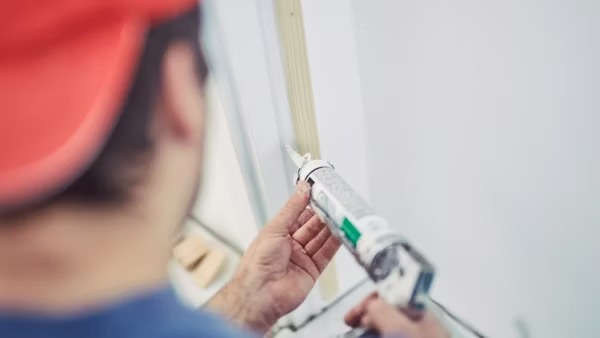
Professional caulking applicators bring training, experience, and the right tools to each job, which makes a significant difference to the quality and longevity of the finished work. The preparation of the joint before sealant is applied, including the removal of old degraded sealant, cleaning of the substrate, and correct sizing of the backer rod where required, is as important as the application of the new sealant. Poor preparation is the primary cause of premature caulking failure. A professional finish also matters for the appearance of the building. Neatly tooled sealant joints that follow consistent profiles and are free from surface contamination or fingerprints contribute to the overall presentation of the property in a way that self-applied caulking rarely achieves.
Where a Property Usually Uses Caulking?
High-rise and multi-story commercial buildings in Melbourne have extensive façade systems with large numbers of joints and penetrations that require regular caulking maintenance as part of the building’s planned preventive maintenance program. Façade inspections conducted from rope access or elevated work platforms regularly identify caulking that has failed or is approaching the end of its service life. Residential properties also benefit significantly from professional caulking maintenance. Around windows and doors, in wet areas such as bathrooms and kitchens, and at the junction of external cladding with other building elements, failed caulking is a common pathway for water to enter wall cavities and cause damage to insulation, framing, and internal finishes.
How Frequently Should Caulking Be Replaced?
The service life of sealant joints depends on the product used, the degree of movement in the joint, UV exposure, and the environmental conditions the joint is subjected to. Externally exposed joints in Melbourne’s climate may need replacement every five to ten years under typical conditions, while heavily trafficked or UV-exposed joints may require more frequent attention. Rather than waiting for visible failure, incorporating a regular inspection of caulking into building maintenance programs allows replacement to be scheduled before water ingress occurs. This proactive approach delivers better outcomes and typically costs significantly less than reactive maintenance following water damage.