
Imagine a world where your household runs entirely on clean, renewable energy. No more gas bills or fossil fuels clogging up our atmosphere—just pure electric power fueling your home and vehicle. As concerns about climate change grow stronger, many of us are looking for ways to live greener lives. Fully electric households offer an exciting solution that not only benefits the environment but also saves money in the long run.
With advancements in technology and increasing awareness of sustainability, now is the perfect time to explore what it means to embrace an all-electric lifestyle. From reducing carbon footprints to enhancing energy efficiency, transitioning to fully electric living holds incredible potential for you and future generations. Let’s dive deeper into this transformative journey and discover how going electric can shape a brighter tomorrow!
The Impact of Fossil Fuel Usage on the Environment
read more about electrifying australian homes ,Fossil fuel usage has far-reaching consequences for our planet. The burning of coal, oil, and natural gas releases harmful greenhouse gases into the atmosphere. This significantly contributes to global warming.
Air pollution is another alarming result. Emissions from vehicles and industrial processes lead to smog, acid rain, and respiratory issues in humans. Wildlife also suffers as their habitats become degraded or destroyed.
Moreover, extracting fossil fuels disrupts ecosystems. Oil spills devastate marine life while fracking can contaminate groundwater sources crucial for drinking water.
As climate events become more extreme—hurricanes, droughts, wildfires—the evidence mounts that our reliance on these resources jeopardizes not just nature but human health too. Transitioning away from fossil fuels isn’t merely idealistic; it’s essential for a sustainable future where both people and the environment thrive together harmoniously.
The Rise of Electric Vehicles and Their Effect on Households
The rise of electric vehicles (EVs) is reshaping how we view energy consumption in our homes. As more families switch to EVs, the demand for sustainable living grows stronger. Households are not just reducing their carbon footprint; they’re also embracing a new way of thinking about mobility and energy.
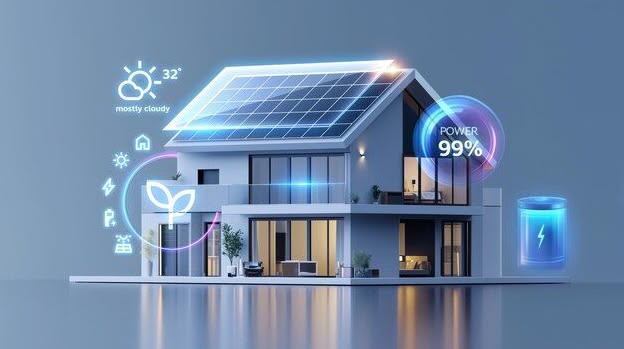
With an electric vehicle parked in the driveway, homeowners often begin to explore additional ways to enhance their sustainability practices. Charging an EV at home can encourage investments in solar panels or smart home technology, which optimize energy use.
Moreover, many households experience significant savings on fuel costs over time. This newfound financial flexibility allows families to allocate resources toward other eco-friendly upgrades or simply enjoy a greener lifestyle.
As communities embrace this shift, it becomes clear that electric vehicles play a pivotal role in transforming household dynamics and promoting cleaner living environments.
Benefits of Fully Electric Households
Fully electric households offer a myriad of benefits that go beyond just being eco-friendly. One significant advantage is the reduction in carbon emissions. By eliminating fossil fuels, homes can drastically lower their environmental footprint.
Cost savings are another attractive feature. Electric appliances tend to be more energy-efficient than their gas counterparts, leading to reduced utility bills over time. Plus, many regions offer incentives for installing electric systems, further easing the financial burden.
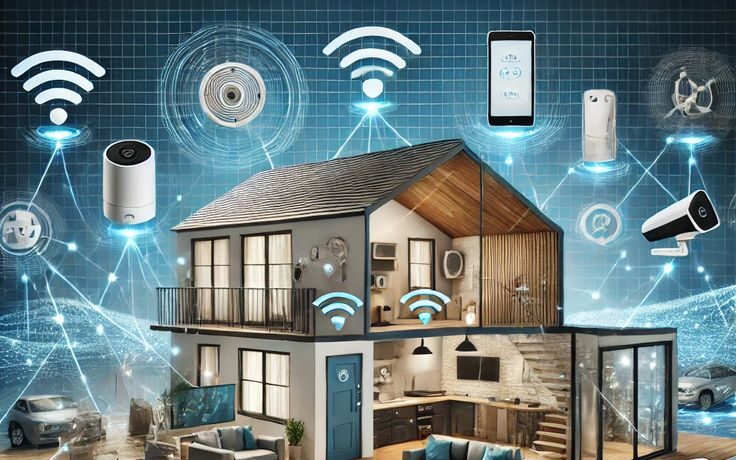
Convenience also plays a crucial role. Fully electric homes often come equipped with smart technology that enhances comfort and simplifies daily tasks. This integration allows homeowners to manage energy use effortlessly through apps or voice commands.
Safety is enhanced as well; without gas lines running through your home, there’s less risk of leaks or explosions. With all these advantages combined, transitioning to an entirely electric household not only supports sustainability but enhances overall quality of life too.
Challenges and Solutions for Transitioning to a Fully Electric Household
Transitioning to a fully electric household presents several challenges. One major hurdle is the upfront cost of electric appliances and home upgrades. Many families find the initial investment daunting.
Another challenge lies in energy supply stability. Dependence on renewable sources can lead to inconsistent power availability, especially during peak usage times or extreme weather events.
However, solutions exist. Government incentives can help offset costs for solar panels and electric vehicle chargers. These programs make transitioning more accessible for homeowners.
Additionally, smart home technology can optimize energy consumption. Smart thermostats and energy-efficient appliances adjust based on usage patterns, minimizing waste.
Community resources also play a vital role. Local initiatives often offer workshops or rebates that guide residents through the transition process, ensuring they have support every step of the way.
How to Make Your Home More Energy-Efficient
Making your home more energy-efficient is a practical step towards embracing a fully electric lifestyle. Start with simple changes that can have a significant impact.
Switching to LED lighting is one of the easiest upgrades. These bulbs consume less power and last much longer than traditional ones, ultimately saving you money on your electricity bill.
Consider investing in smart thermostats. They learn your schedule and adjust the temperature accordingly, ensuring you’re not wasting energy when you’re away from home.
Insulation plays a crucial role as well. Properly insulated walls and attics keep heat in during winter and out during summer, reducing the need for heating or cooling systems to work overtime.
Energy-efficient appliances are another essential component. Look for products with the ENERGY STAR label; they use significantly less energy compared to standard models.
Explore renewable options like solar panels if feasible for your location. Not only do they reduce reliance on fossil fuels, but they also generate clean energy right from your rooftop.
By implementing these strategies, you can create an environment that conserves resources while maximizing comfort at home. A commitment to being energy-efficient contributes positively to both household budgets and the planet’s health without sacrificing quality of life.