

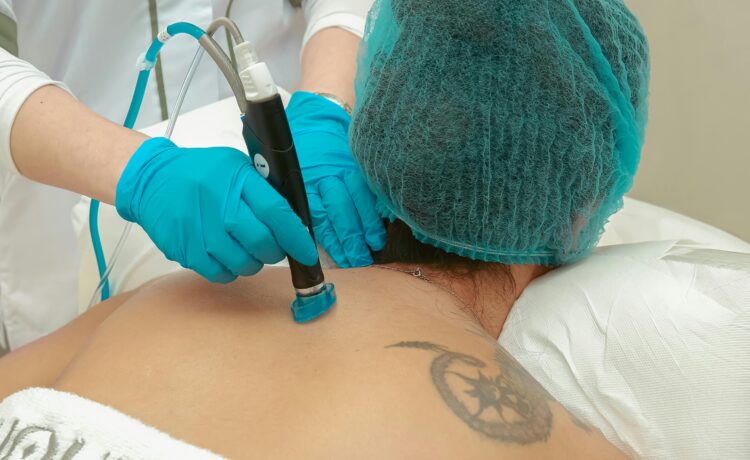
Are you thinking about erasing a tattoo that no longer reflects who you are? Laser tattoo removal might be the solution you’ve been searching for. This advanced technology has transformed the way we can remove unwanted ink, making it safer and more effective than ever before. But what happens to your skin after undergoing this procedure? Understanding the process and its effects is essential for anyone considering this option. Let’s dive into how laser treatment works, what side effects to expect, and tips on caring for your skin afterward. Whether you’re curious or planning your next steps, knowing what lies ahead will help you navigate this journey with confidence.
The process of laser tattoo removal
Laser tattoo removal involves a highly focused beam of light that targets the ink particles in your skin. During the procedure, the laser breaks these particles into smaller fragments, allowing your body’s immune system to gradually eliminate them. Understanding tattoo removal healing stages what your skin goes through helps you better prepare for the process, recognize normal healing responses, and follow the right aftercare to support smooth recovery and effective results.
Sessions typically last from 15 minutes to an hour, depending on the size and complexity of the tattoo. You may experience discomfort during treatment, often described as similar to a rubber band snapping against the skin.
After each session, you might notice some redness or swelling in the treated area. These effects are usually temporary and subside within a few hours or days.
It’s essential to follow up with proper aftercare instructions provided by your technician for optimal healing results and minimal scarring. Each individual’s response can vary based on numerous factors like skin type and tattoo depth.

Common side effects and aftercare tips
After undergoing laser tattoo removal, some common side effects may arise. Expect redness and swelling in the treated area, which can resemble a sunburn. This typically subsides within a few hours to a couple of days.
You might also experience blistering or scabbing as your skin heals. It’s essential not to pick at these blisters; they protect the underlying skin from infection.
To aid recovery, keep the area clean and moisturized with an antibiotic ointment recommended by your practitioner. Avoid exposing your skin to direct sunlight for several weeks post-treatment; wear sunscreen if you must go outdoors.
Additionally, refrain from strenuous activities or swimming until healing is complete. Follow any specific aftercare instructions provided by your technician for optimal results and shorter downtime. Listening to your body during this period will help ensure smooth healing and minimize complications.
How long does it take for the skin to heal?
Healing time after laser tattoo removal varies from person to person. Generally, the initial healing of the skin can take about one to two weeks. During this period, you may notice redness and mild swelling.
As your skin starts to heal, scabbing might occur. This is a natural part of the process and usually lasts about 5 to 10 days. It’s crucial not to pick at any scabs, as this can lead to scarring or infection.
After the surface heals, deeper layers continue their recovery for several weeks. Full healing may take up to three months or longer depending on various factors like skin type and tattoo size.
Listening to your body is key during this time. If irritation persists beyond a few weeks or worsens, consulting with your dermatologist ensures proper care and attention for optimal recovery.
Factors that affect how your skin reacts to laser tattoo removal
When it comes to how your skin reacts after laser tattoo removal, several factors play a crucial role. First and foremost is your skin type. Individuals with sensitive or darker skin may experience more pronounced side effects compared to those with lighter complexions.
The age of the tattoo also matters. Older tattoos tend to fade more easily than newer ones, which can influence both the effectiveness of the treatment and your skin’s response. Additionally, the color of the ink affects healing; some colors are easier for lasers to break down than others.
Your overall health is another significant factor. Conditions such as diabetes or autoimmune disorders can slow down healing processes and increase susceptibility to complications.
Following proper aftercare instructions provided by your technician cannot be overstated. Taking care of treated areas will help ensure that your skin heals correctly and minimizes any adverse reactions.
Understanding these elements can empower you during the laser tattoo removal process, helping you set realistic expectations about what happens next for your skin.