
In a world where time is of the essence, rapid testing kits have emerged as vital tools for early detection of various health conditions. These compact and user-friendly devices allow individuals to get quick results, enabling timely decision-making. Whether it’s for screening common illnesses or monitoring health trends, rapid tests are reshaping how we approach diagnostics. Imagine having the power to know your status in minutes rather than days—this technology is making that possibility a reality. Let’s explore how these innovative kits work and why they matter so much for proactive healthcare management.
Benefits of Early Detection
Early detection plays a crucial role in managing health conditions. Identifying diseases at their onset often leads to more effective treatment options.
When issues are caught early, the chances of successful outcomes significantly increase. This is particularly true for serious illnesses like cancer or infectious diseases. Using rapid antigen test kits when appropriate can help identify certain infections early, allowing individuals to take suitable next steps.
Moreover, early detection can reduce overall healthcare costs. Treating advanced stages of illness typically involves extensive medical interventions that strain both patients and healthcare systems.
Another advantage is peace of mind. Knowing your health status empowers individuals to make informed decisions about lifestyle changes or necessary treatments.
In many cases, regular screenings and tests allow people to take charge of their health proactively. This proactive approach not only aids personal well-being but also encourages community awareness around various health concerns.
Types of Rapid Testing Kits
Rapid testing kits come in various forms, each designed to meet specific needs. One popular type is the antigen test, which identifies proteins from a virus. These tests provide quick results, often within 15-30 minutes.
Another common option is PCR (Polymerase Chain Reaction) tests. Unlike antigen tests, PCR kits detect genetic material and are known for their high accuracy. However, they may require more time to process.
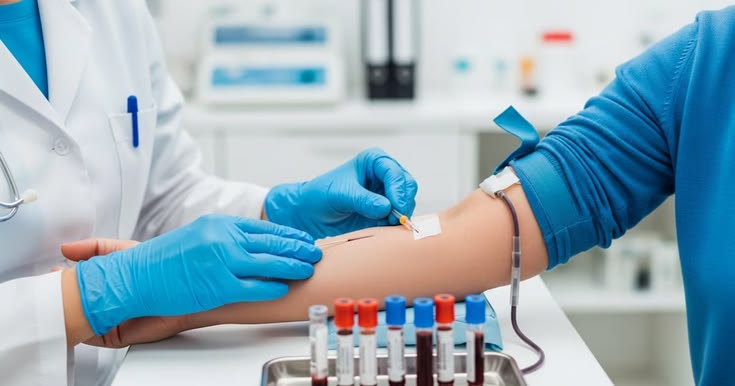
There are also antibody tests that look for antibodies in the blood. They help determine if someone has previously been infected with a virus but are not suitable for active infections.
In recent years, saliva-based rapid testing kits have emerged as an innovative alternative to traditional swabs. These can be less invasive and easier to use while still delivering timely results.
Each type of kit serves its purpose and contributes significantly to public health efforts by enabling swift decision-making.
The Importance of Accuracy in Rapid Testing
Accuracy is crucial when it comes to rapid testing. The reliability of results can significantly impact health decisions. A false negative may lead to a dangerous delay in treatment, while a false positive can cause unnecessary anxiety and stress.
Quality control measures play a vital role in ensuring accurate outcomes. Manufacturers must adhere to strict standards, conducting thorough validations before releasing their products into the market.
Healthcare professionals also need proper training on how to interpret results correctly. Misunderstanding test findings can result in misguided actions or panic among patients and families.
Regular audits and reviews help maintain high accuracy levels as well. Continuous monitoring ensures that any issues are identified promptly, thus safeguarding public health.
Understanding the importance of precision encourages users to trust these tests more effectively, reinforcing their value in early detection protocols across various health scenarios.
How to Use a Rapid Test Kit
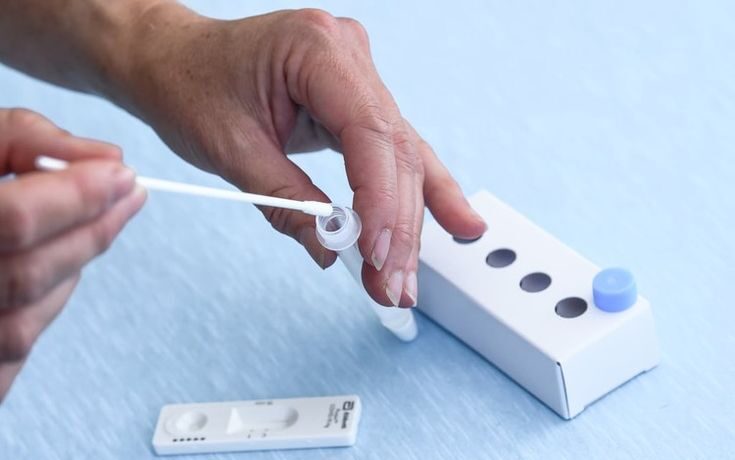
Using a rapid test kit is a straightforward process, but it’s essential to follow the instructions carefully for accurate results. First, gather all necessary materials: the test kit itself, any required swabs or collection devices, and your own timer.
Start by washing your hands thoroughly with soap and water or using hand sanitizer. This reduces the risk of contamination. Next, prepare the sample according to the specific type of test you are using—whether it requires a nasal swab, throat swab, or another method.
Once you’ve collected your sample, place it in the designated area on the testing device as instructed. Some kits may require additional steps like adding a buffer solution; make sure to read through these details in advance.
Set your timer based on what’s indicated in the instructions. It’s crucial not to rush this part since timing can affect accuracy. After waiting for results within that timeframe, observe how many lines appear on your test strip and interpret them according to provided guidelines.
If there are questions about interpreting results or if they come back positive—even if symptoms are mild—consulting with a healthcare provider is always wise. Keeping an eye out for changes over time remains important too.
Rapid tests provide valuable information quickly but should be viewed as part of broader health monitoring practices rather than standalone solutions.